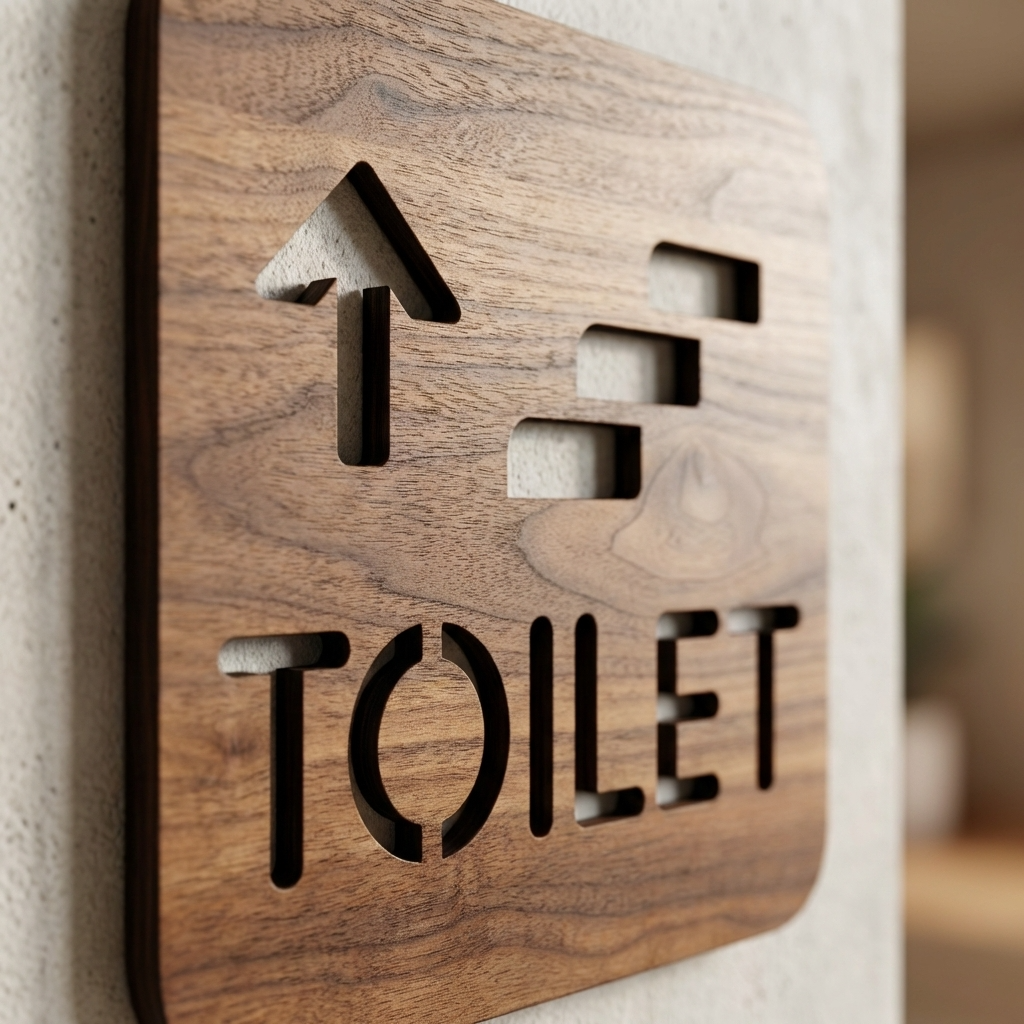
A cohesive hotel interior doesn't mean every room looks the same. It means guests can recognise the same point of view from arrival to check-out, while each space still does its own job. The strongest schemes connect layout, materials, lighting and the small details guests use every day.Define the feeling before choosing finishesStart with a short design brief: who is the hotel for, how should arrival feel, and what should guests remember? Choose a few guiding words, such as calm, expressive or warm, then use them to test decisions throughout the project. A clear brief prevents a collection of individually attractive pieces from becoming a disconnected interior.Build a consistent material paletteChoose a restrained set of core materials and repeat them in different proportions. A timber tone in reception might reappear in a bedroom detail; a metal finish in the lobby might return in lighting or room hardware. Variation keeps spaces interesting, while repetition makes the journey feel intentional. Check samples together under the lighting each space will actually use.Design for the guest journeyWalk through the property as a first-time guest. Is the entrance obvious? Can someone find reception, lifts and their room without hesitation? Good wayfinding is part of the interior experience, not an afterthought. Plan the position and readability of signs alongside furniture, wall finishes and lighting, especially at decision points.Give each space a roleA lobby may need energy and a strong first impression; bedrooms usually need a quieter rhythm. Carry the same palette and design language through both, but adjust contrast, light levels and texture to suit how each space is used. This gives the property continuity without sacrificing comfort.Make the practical details feel designedRoom numbers, directional signs, door hardware and information displays are touched or noticed repeatedly. Keep typography, scale and finishes consistent with the wider scheme, and check legibility and accessibility before approving a design. For a closer look at how signage can support a hospitality space, explore Noir Signs. Once the companion hotel-signage guide is live, this link can point directly to it.Test the whole scheme before rolloutBring finishes, lighting, furniture and sign samples together in one place. Review them from a guest's perspective, both close up and at the distances at which they will be seen. A mock-up room or sample area can reveal inconsistencies while changes are still easy to make.A cohesive hotel interior is built through repeated, considered decisions. When materials, mood and wayfinding all speak the same visual language, guests can focus on enjoying the stay rather than figuring out the space.
Leave a comment
This site is protected by hCaptcha and the hCaptcha Privacy Policy and Terms of Service apply.